
My First Night Using a CPAP Machine: A Candid Journey

Wondering what to expect from your first CPAP night? Follow my personal experience, from initial discomfort to surprising benefits, plus expert tips for new users.
Introduction: Facing My Sleep Apnea Diagnosis
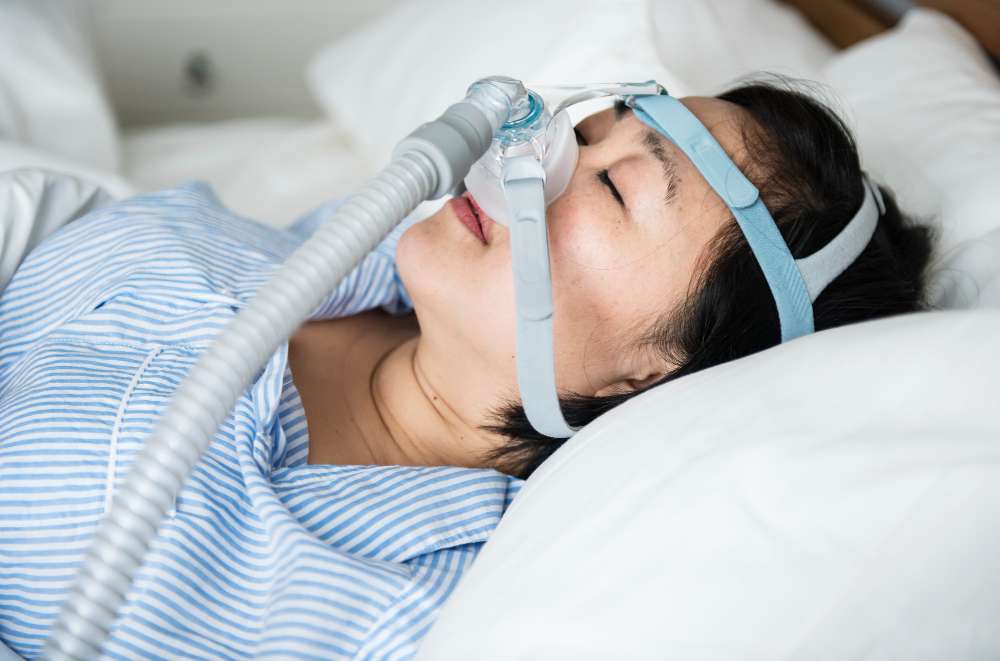
When my sleep study revealed 32 apnea events per hour, the doctor’s recommendation was clear: “You need a CPAP machine.” As someone who’d never slept with anything more intrusive than an eye mask, the idea of strapping on a pressurized air mask seemed daunting. This is my honest account of that first night – the fears, the surprises, and the unexpected wins.
Preparing for the Big Night
1. The Fitting Session
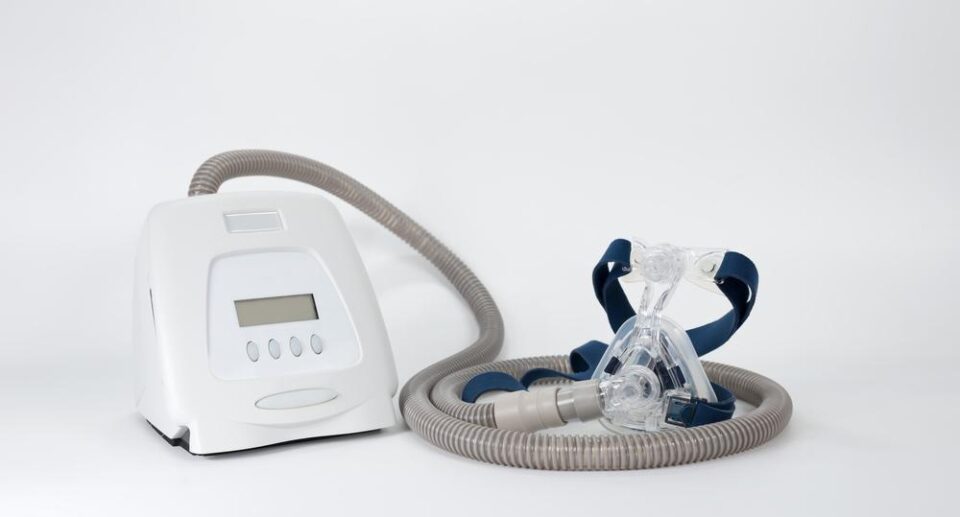
At the sleep clinic, the respiratory therapist introduced me to my ResMed AirSense 11 with:
- Nasal pillow mask (least intrusive option)
- Heated humidifier (to prevent dryness)
- Ramp feature (starts pressure low, increases gradually)
Pro tip: They had me practice wearing it while awake first – crucial for getting comfortable with the sensation.
2. Setting Up at Home
I created an optimal sleep environment:
- Cleared nightstand for the machine
- Distilled water in the humidifier chamber
- Extra pillows to help with side sleeping
Mistake I made: Not trimming my beard – caused minor leaks I’d fix later.
The First Night: A Play-by-Play
8:00 PM – Pre-Bed Nerves
- Washed my face thoroughly (better mask seal)
- Did some light stretching to relax
- Biggest fear: Feeling claustrophobic
9:30 PM – Masking Up
- The nasal pillows felt strange but not painful
- Turned on the ramp feature (started at 4 cm H2O)
- First breaths felt like… drinking air through a straw
10:15 PM – The Tossing Phase
- Rolled from back to side – mask stayed put
- Noticed the quiet whir of the machine (quieter than expected)
- Strange sensation: Exhaling against the pressure
12:30 AM – First Wake-Up
- Woke needing water (dry mouth despite humidifier)
- Adjusted headgear straps (too tight on one side)
- Fell back asleep faster than usual
3:00 AM – The Miracle Moment
- Woke up realizing I hadn’t gasped for air once
- Normally I’d have 4+ bathroom trips – this night? Just one
6:30 AM – Morning After
- No morning headache (usually a given)
- Felt more rested despite some wake-ups
- Red mark on nose bridge (fixed later with mask liners)
What Worked (And What Didn’t)
Wins
✅ No apnea events recorded on the machine’s app
✅ Oxygen levels stayed above 95% all night (usually dropped to 88%)
✅ Wife reported zero snoring (usually “like a chainsaw”)
Challenges
⚠️ Dry mouth (solved with chin strap next night)
⚠️ Initial claustrophobia (faded after 30 minutes)
⚠️ Tube management (learned to route it overhead)
5 Things I Wish I’d Known
- It’s normal to feel like you’re fighting the pressure at first – Your brain learns to adapt within a few nights.
- Leaks aren’t failures – Small adjustments fix most issues. My nasal pillows needed a size up.
- First-night data isn’t definitive – It takes 2-4 weeks to see full benefits.
- You might dream more vividly – Thanks to finally getting REM sleep!
- Morning congestion can improve – The humidified air actually reduced my sinus issues over time.
Expert Tips for New CPAP Users
From My Sleep Therapist:
- Try wearing it while watching TV to acclimate
- Clean equipment daily – prevents bacteria and extends life
- Use mask liners to prevent skin irritation
From Veteran Users:
- “Give it 30 nights before judging”
- “Try different masks if needed – it’s worth the hassle”
- “Download the data app – seeing your progress motivates”
The Life-Changing Difference
After one month of consistent use:
- Energy levels up 40% (verified by fitness tracker)
- Blood pressure dropped from 140/90 to 125/82
- No more afternoon crashes
Unexpected benefit: My TMJ pain improved – likely from less nighttime jaw clenching.
5 FAQs About First-Time CPAP Use
1. Will I suffocate if the power goes out?
No. The mask has vents, and you’ll wake up naturally if air stops flowing. Consider a battery backup if outages are common.
2. How long until I sleep through the night?
Most users take 3-7 nights to adjust. Full benefits appear in 2-4 weeks.
3. Can I sleep on my side/stomach?
Yes! Many masks are designed for side sleepers. Ask about “pillow-friendly” models.
4. Why do I feel more tired the first week?
Your body is finally getting deep sleep and may need to “catch up” on years of deficit.
5. What if I can’t tolerate any mask?
Alternatives exist:
- Oral appliances (for mild cases)
- Inspire implant (surgical option)
- Positional therapy devices
Final Thoughts: Stick With It
That first night was equal parts awkward and amazing. While CPAP takes getting used to, the life-changing benefits make every minute of adjustment worthwhile.
📌 Call to Action: If you’re about to start CPAP, commit to 30 nights before making judgments. Your future well-rested self will thank you.
Sources & Further Reading:
- American Sleep Apnea Association: CPAP Tips
- “The Sleep Solution” by Dr. W. Chris Winter
- CPAP Talk Forum (Real-user advice)
The first night is the hardest – but it’s also the first night of better sleep, better health, and better days.