


Diet and Exercise for Sleep Apnea: Natural Ways to Improve Your Sleep

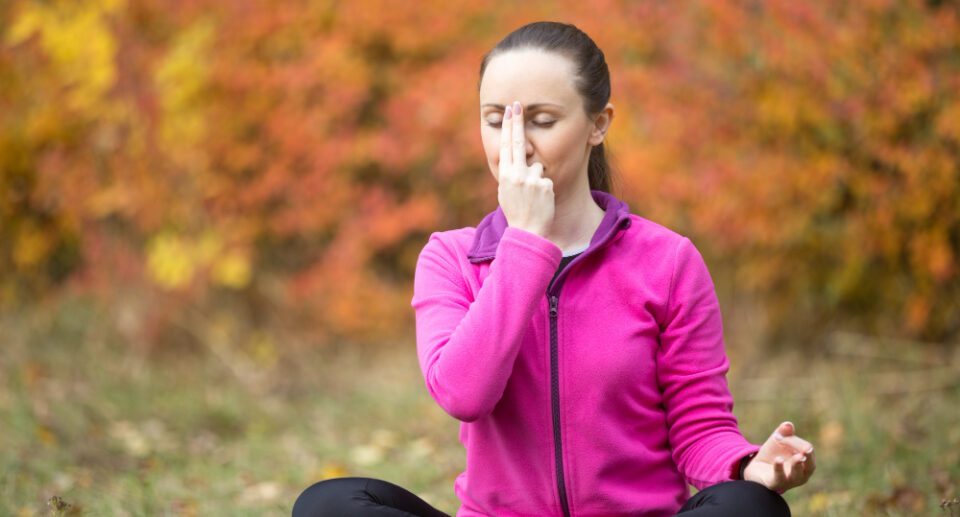
Discover how specific dietary changes and targeted exercises can reduce sleep apnea symptoms, complement your CPAP therapy, and help you breathe easier at night.
Introduction: The Powerful Duo for Better Sleep
While CPAP machines are the gold standard for sleep apnea treatment, diet and exercise can significantly enhance their effectiveness—and may even reduce your reliance on them over time. Research shows that lifestyle changes can:
✔ Reduce apnea events by 30-50% in mild cases
✔ Improve oxygen saturation during sleep
✔ Help maintain healthier body weight
✔ Strengthen airway muscles to prevent collapse
This guide covers science-backed nutrition strategies and targeted exercises that make a real difference for sleep apnea sufferers.

Part 1: The Sleep Apnea Diet
Foods That Help
These nutrients support airway function and reduce inflammation:
| Food Group | Benefits | Best Choices |
|---|---|---|
| Omega-3s | Reduce airway inflammation | Salmon, walnuts, flaxseeds |
| Magnesium | Relaxes throat muscles | Spinach, pumpkin seeds, dark chocolate |
| Vitamin C | Strengthens immune function | Citrus fruits, bell peppers, kiwi |
| Probiotics | Improve gut-sleep connection | Yogurt, kefir, sauerkraut |
Foods to Avoid
These can worsen apnea by relaxing throat muscles or causing inflammation:
- Alcohol (especially before bed)
- High-fat dairy (increases mucus production)
- Processed carbs (spike blood sugar, leading to crashes)
- Caffeine after 2 PM (disrupts deep sleep)
Meal Timing Tips
- Stop eating 3 hours before bed to prevent reflux
- Largest meal at lunch (digestion slows at night)
- Hydrate well during day, reduce fluids before bed

Part 2: Exercise for Stronger Breathing
1. Aerobic Exercise (3-5x weekly)
- Why it helps: Reduces visceral fat around the neck/airway
- Best options: Brisk walking, swimming, cycling
- Key tip: Even 10-minute sessions improve sleep quality
2. Throat & Tongue Exercises (Daily)
These strengthen muscles to prevent airway collapse:
a) Didgeridoo Breathing
- Purse lips and hum deeply for 5 minutes
- Shown in studies to reduce apnea severity by 39%
b) Tongue Press
- Press tongue firmly against roof of mouth
- Hold for 10 seconds, release
- Repeat 10x, 3 sets daily
c) Soft Palate Lifts
- Say “AH” while looking in a mirror
- Watch your uvula (the dangly bit) rise
- Hold for 5 seconds, 15 reps
3. Yoga for Sleep Apnea
Specific poses open airways and improve breathing control:
- Lion’s Breath (Simhasana) – Relieves throat tension
- Bridge Pose (Setu Bandhasana) – Expands chest/lungs
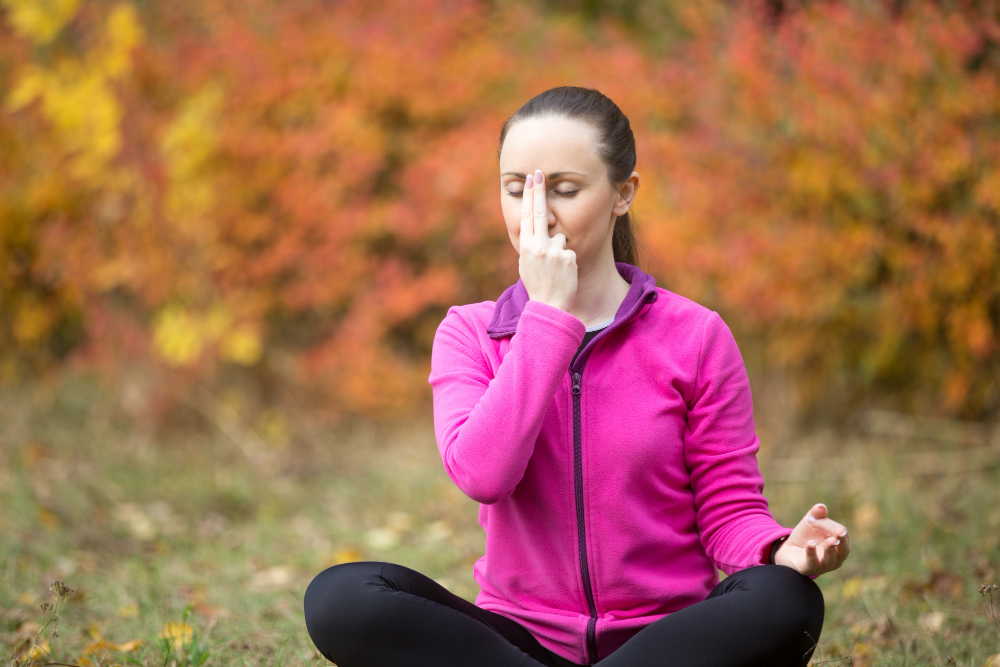
- Alternate Nostril Breathing – Balances oxygen flow
Sample Daily Routine
Morning:
- Warm lemon water (hydrates, reduces inflammation)
- 20-minute walk (jumpstarts metabolism)
- Tongue/throat exercises (while showering or commuting)
Afternoon:
- Grilled salmon salad (rich in omega-3s)
- 10 minutes of yoga poses
Evening:
- Light, early dinner (vegetable stir-fry with quinoa)
- Didgeridoo breathing practice
- No screens 1 hour before bed

Success Stories: Real People, Real Results
Case 1: Mark, 45
- Combined CPAP with low-carb diet and swimming
- Reduced AHI (apnea episodes) from 28 to 11 in 6 months
Case 2: Priya, 38
- Daily yoga and throat exercises
- Now uses CPAP only 3 nights/week instead of daily
When to Combine with Medical Treatment
While diet/exercise help, don’t stop your CPAP or oral appliance without doctor approval if you have:
- Severe sleep apnea (AHI >30)
- Heart conditions
- Oxygen desaturation below 90%
5 FAQs About Diet, Exercise & Sleep Apnea
1. Can weight loss cure sleep apnea?
For some—losing just 10% of body weight reduces symptoms by 30%. However, thin people can have apnea too (due to airway structure).
2. What’s the best exercise if I’m too tired to workout?
Start with 5-minute walks after meals or seated throat exercises. Consistency matters more than intensity.
3. Do throat exercises really work?
Yes! A 2023 study showed 6 weeks of daily exercises reduced snoring by 50% in mild cases.
4. Should I try keto for sleep apnea?
Some find it helps (due to anti-inflammatory effects), but avoid strict keto long-term unless monitored by a doctor.
5. How soon will I see improvements?
Diet changes may help within 2-4 weeks; exercise benefits accumulate over 3-6 months.
Final Thoughts: Small Changes, Big Impact
You don’t need to overhaul your life overnight. Start with one dietary swap (like cutting late alcohol) and 5 minutes of daily throat exercises. Track your progress with a sleep app or journal.
📌 Call to Action: Tonight, try Lion’s Breath yoga pose before bed and notice if you wake up feeling more refreshed.