Sleep Apnea in Seniors: Unique Challenges and Specialized Solutions

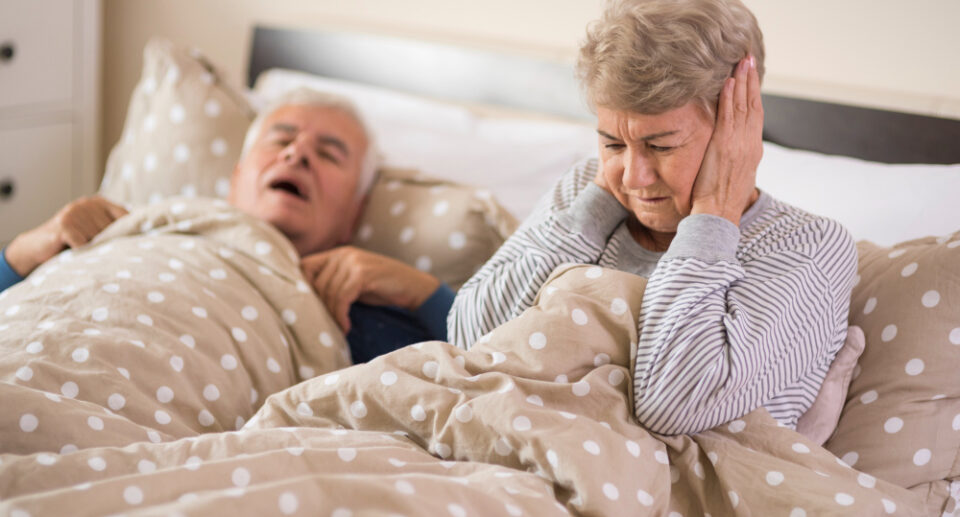
Discover why sleep apnea affects seniors differently, how symptoms often get missed, and tailored treatment approaches for older adults struggling with poor sleep.
Introduction: The Overlooked Epidemic in Aging Adults
While sleep apnea affects all ages, seniors face unique physiological challenges that make diagnosis and treatment more complex. After age 65:
✔ Prevalence doubles (affecting 30-50% of older adults)
✔ Symptoms often get misattributed to “normal aging”
✔ Health consequences become more severe due to existing conditions
This comprehensive guide examines the underrecognized risks, atypical symptoms, and age-appropriate treatments for senior sleep apnea.

Why Sleep Apnea Changes With Age
1. Physiological Shifts
- Weaker airway muscles (reduced muscle tone with aging)
- Decreased lung elasticity (less efficient oxygen exchange)
- Altered sleep architecture (lighter, more fragmented sleep)
2. Medication Impacts
Many common senior medications worsen apnea:
- Benzodiazepines relax throat muscles excessively
- Opioids suppress breathing reflexes
- Beta-blockers may disrupt sleep cycles
3. Comorbidity Complications
- Heart disease strains oxygen-deprived organs
- Dementia risk increases with untreated apnea
- Diabetes control suffers from sleep disruption
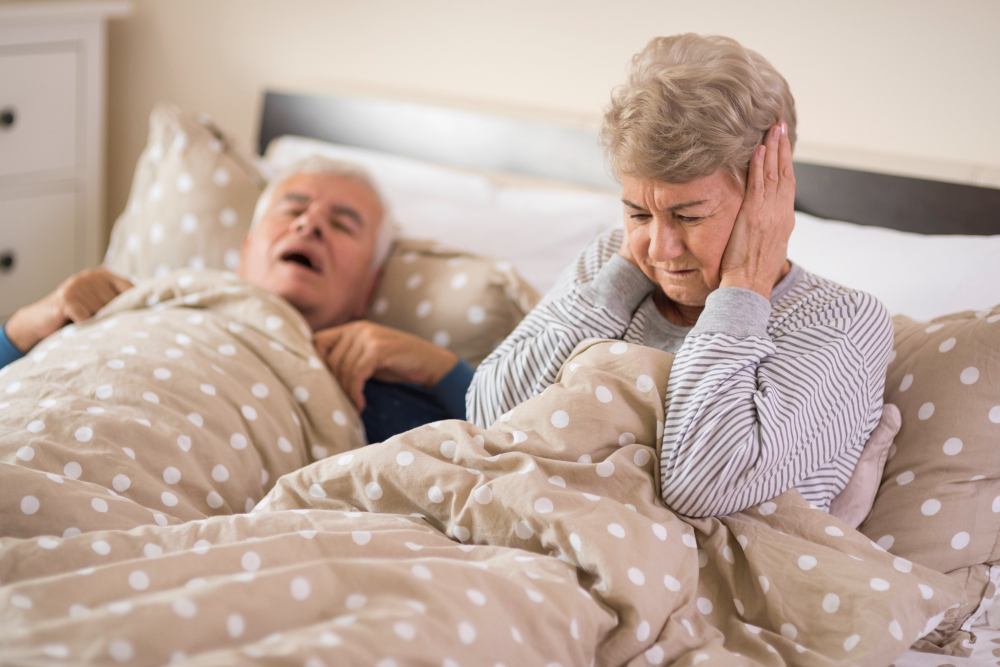
Atypical Symptoms in Seniors (That Often Get Missed)
Unlike younger patients who often present with loud snoring and daytime fatigue, seniors may experience:
Cognitive Changes
- Morning confusion lasting hours (“sleep drunkenness”)
- Short-term memory lapses misdiagnosed as dementia
- Balance issues from poor sleep-related coordination
Nighttime Patterns
- Frequent bathroom trips (apnea-triggered awakenings)
- Unusual sleep behaviors (talking, flailing limbs)
- Night sweats from breathing effort
Daytime Red Flags
- Falling asleep mid-conversation
- Loss of appetite (linked to poor sleep metabolism)
- Irritability/mood swings (misdiagnosed as depression)
Special Diagnostic Considerations
Challenges in Testing
- Home tests less accurate (seniors often have central/complex apnea)
- Lab studies complicated by mobility issues, dementia
Key Questions for Providers
- “Do you wake up gasping?” (Many seniors don’t recall)
- “Has your bed partner noticed breathing pauses?”
- “Do you nap more than 1 hour daily?”
Underdiagnosed Types
- Central Sleep Apnea (brain fails to signal breathing)
- Treatment-Emergent Apnea (from heart medications)
Tailored Treatment Approaches
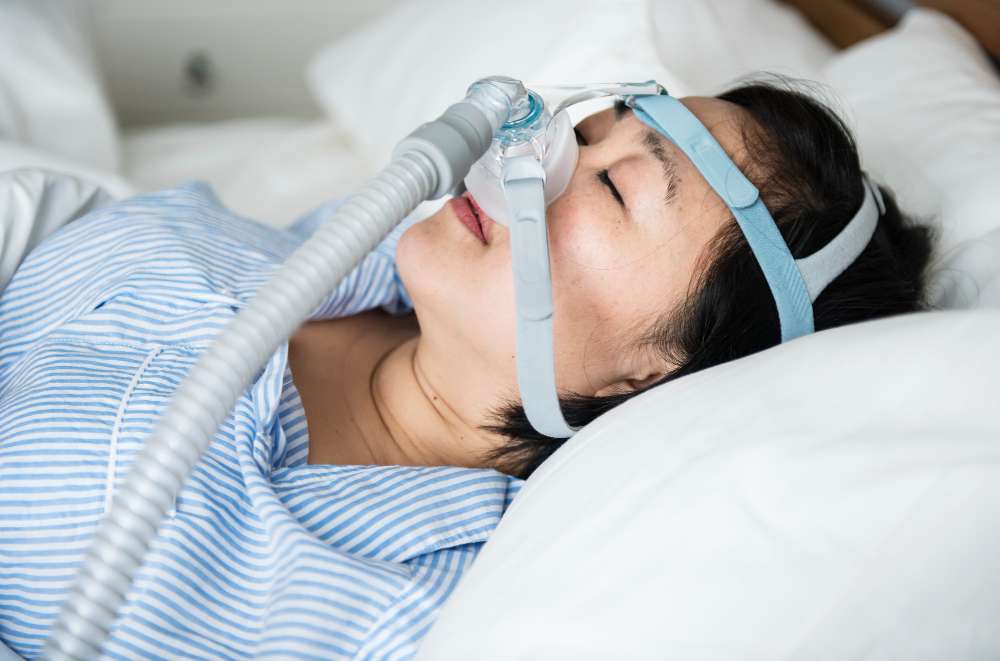
CPAP Adaptations for Seniors
- Full-face masks better for mouth breathing
- Higher humidity settings (age-related dryness)
- Simplified machines with automatic pressure
Compliance Tip: Connect CPAP use to existing routines (after denture cleaning/before morning meds).
Alternative Options
| Treatment | Best For | Considerations |
|---|---|---|
| Oral Appliances | Mild cases, arthritic hands | Requires dentist fitting |
| Positional Therapy | Back-sleepers | Works best with wedge pillows |
| Oxygen Supplementation | Heart failure patients | Doesn’t treat apnea itself |
Lifestyle Adjustments
- Evening electrolyte balance (prevents leg cramps)
- Tongue/mouth exercises (strengthens aging muscles)
- Nap management (short naps before 3 PM)
Managing Comorbidities
Heart Health Connection
- Atrial fibrillation improves with CPAP use
- Morning blood pressure spikes decrease by 30%
Dementia Prevention
Treating apnea:
- Slows cognitive decline by 50% in early studies
- Reduces amyloid buildup (Alzheimer’s marker)
Diabetes Management
- HbA1c levels drop with consistent treatment
- Nighttime glucose stabilization improves
Caregiver Guidance
Red Flags to Monitor
- New sundowning behaviors
- Increased fall risk at night
- Medication non-compliance
Practical Support Tips
- Machine maintenance (clean filters weekly)
- Humidifier refills during daytime
- Alarm reminders for mask use
5 FAQs About Senior Sleep Apnea
1. Is snoring less common in older adults with apnea?
Yes—weaker muscles often produce quieter snoring, making apnea harder to detect without testing.
2. Can CPAP help already-established dementia?
Emerging research shows slowed progression and improved daytime alertness, even in mid-stage dementia.
3. Why do seniors struggle more with CPAP compliance?
Factors include:
- Dry nasal passages from aging
- Arthritis making mask adjustments difficult
- Mild cognitive impairment affecting routine
4. Are oral appliances safer than CPAP for frail seniors?
They avoid machine risks but require strong teeth/jawbone often compromised in advanced age.
5. How does sleep apnea affect life expectancy in seniors?
Untreated severe apnea reduces lifespan by 8-12 years—but treatment restores near-normal longevity.
Final Thoughts: It’s Never Too Late
While aging brings challenges, effective sleep apnea treatment can:
✅ Restore energy and mental clarity
✅ Protect heart and brain health
✅ Maintain independence longer
📌 Call to Action: If you or a senior loved one experiences unexplained cognitive changes or excessive daytime sleepiness, request a sleep study adapted for older adults.